Biography
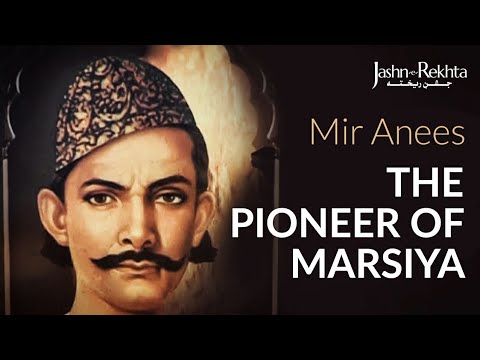
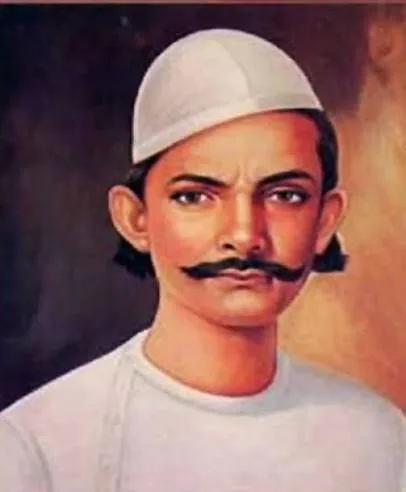
Mir Babar Ali Anees, known by his pen name Anees, was the towering figure of the Urdu marsiya, the elegiac form devoted to the tragedy of Karbala. Born in Faizabad and later settled in Lucknow, he came from a family that had cultivated poetry for generations, and he inherited both its craft and its devotional focus. Trained in Persian and Arabic and steeped in Shia learning, he first wrote ghazals before turning, at his father's urging, to the marsiya that would define his life's work.
Anees brought the marsiya to its artistic peak. His compositions blend historical narrative with lyrical intensity and vivid, dramatic characterization, drawing on Persian, Urdu, Arabic and even Sanskrit vocabulary to enrich the verse. Critics have compared his ability to animate historical events to that of Shakespeare, and later scholars such as Shamsur Rahman Faruqi regarded his marsiyas as the finest premodern Urdu model of narrative and dramatic poetry. He is said to have composed thousands of elegies, of which selected passages are still recited in Muharram gatherings.
Alongside the marsiya, Anees was a noted composer of rubai (quatrains), salaams and nauhas. His great contemporary and rival was Mirza Salamat Ali Dabeer, and the two are traditionally paired as the twin masters of the Lucknow marsiya. Anees died in Lucknow on 10 December 1874. His influence extended to later Urdu poetry, and he is remembered with the honorific 'Khuda-e-Sukhan' (Master of Poetry); India issued a commemorative postage stamp in his honour in 1975.
Style & Speciality
Marsiya (elegy)
Soz and salaam
Nauha
Rubai
Karbala narrative poetry