Biography
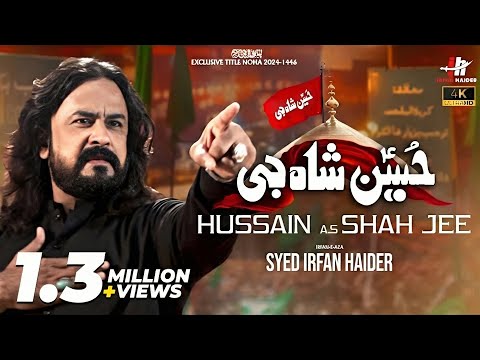
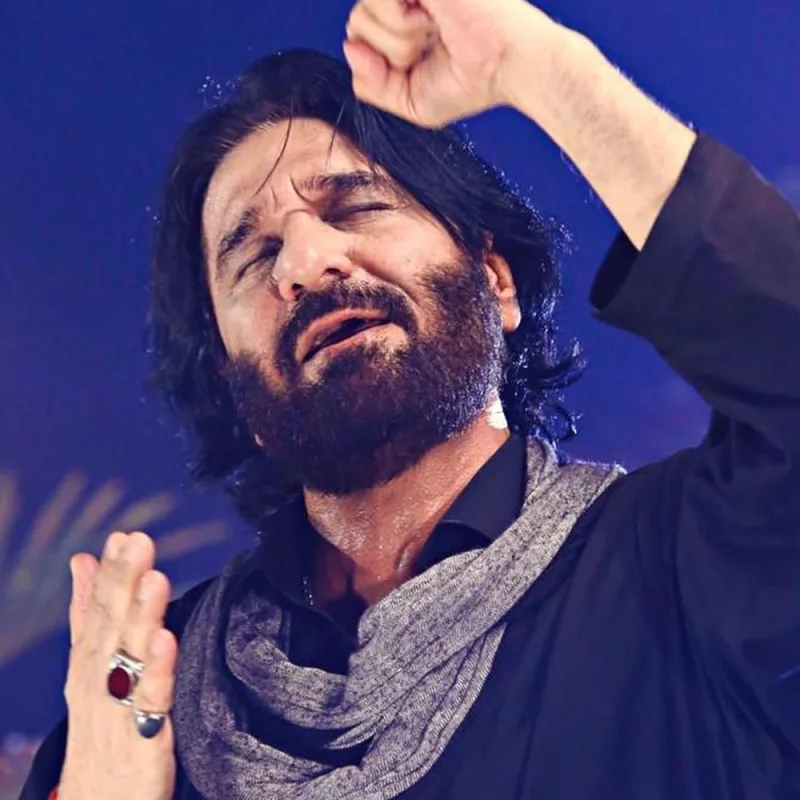
Syed Irfan Haider Rizvi, widely known by the honorific title Irfan-e-Aza, is a Pakistani noha khwan (reciter of Shia mourning elegies) based in Karachi. Over a career spanning several decades he has become one of the most recognised voices in the field of noha, marsiya, salam and qaseeda dedicated to the tragedy of Karbala and the household of the Prophet Muhammad (the Ahl al-Bayt).
He was born and raised in Karachi in a family steeped in the tradition of azadari, the Shia commemoration of Imam Hussain (a.s.). He began reciting noha as a child and rose to prominence through the city's majalis (mourning gatherings) and matami processions, later performing at azadari events across Pakistan and internationally, having travelled to a large number of countries to recite.
Irfan Haider is best known for his annual Muharram albums. Almost every year he releases a new collection of nohas timed to the mourning season, a practice he has maintained since the late 1990s. This steady, decades-long output has produced an extensive catalogue that is widely circulated among azadari audiences in Pakistan, India and the diaspora.
His repertoire is notably multilingual. While the core of his work is in Urdu, he has recited nohas in Punjabi, Saraiki, Sindhi, Pashto, Arabic, Persian and English, allowing his laments to reach mourners across different linguistic communities and regions.
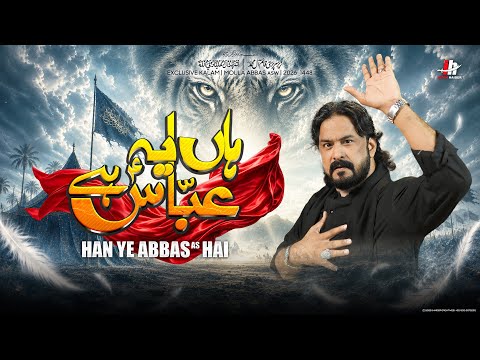
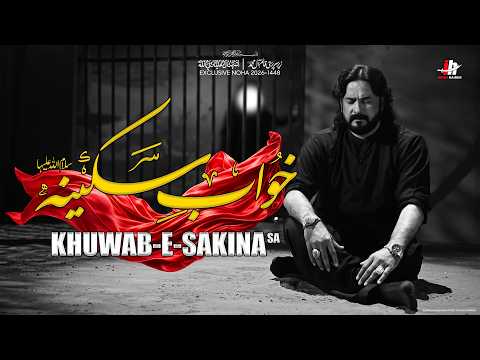
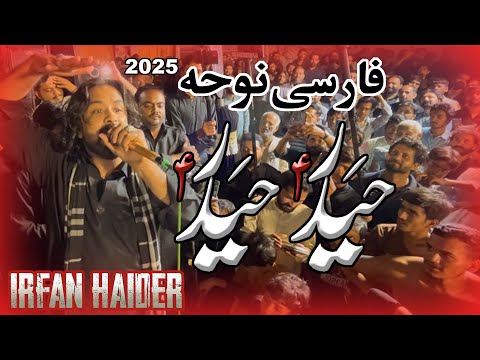
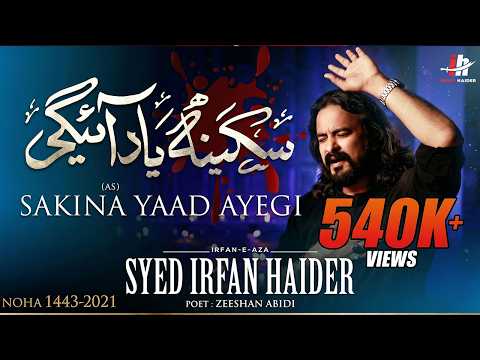
Many of his most popular recitations centre on the figures of Karbala, especially elegies for Bibi Sakina (s.a.), the young daughter of Imam Hussain, and for Hazrat Abbas (a.s.), the standard-bearer. Titles such as 'Haider Haider', 'Sakina (s.a.) Yaad Ayegi', 'Meri Jaan Sakina', 'Khuwab-e-Sakina' and nohas honouring Hazrat Abbas are among the works closely associated with his name.
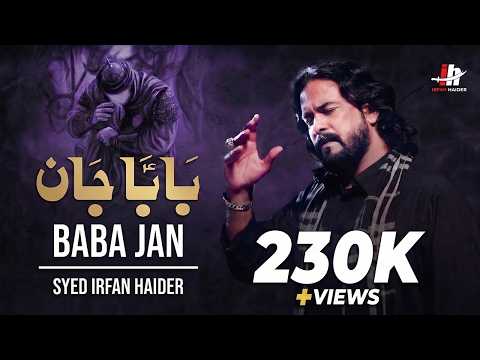
In recent years his recitations have reached a wide online audience through his official YouTube channel, 'Irfan Haider Official', and his live-recitation channel, alongside an active presence on Facebook, where new nohas and recordings of his majlis performances are regularly published each Muharram.
Style & Speciality
Noha
Marsiya
Salam
Qaseeda
Manqabat