Biography
Early Life
Born on 1 February 1963 in the village of Thipra Syedan, Haripur District, Hazara region, in what was then the North-West Frontier Province (present-day Khyber Pakhtunkhwa), Pakistan. He belongs to a Syed family and pursued religious studies before travelling to Iran for advanced seminary education.
** Ustad-e-Muhtaram; Founder & Principal of Jamia Urwatul Wuthqa, Lahore **
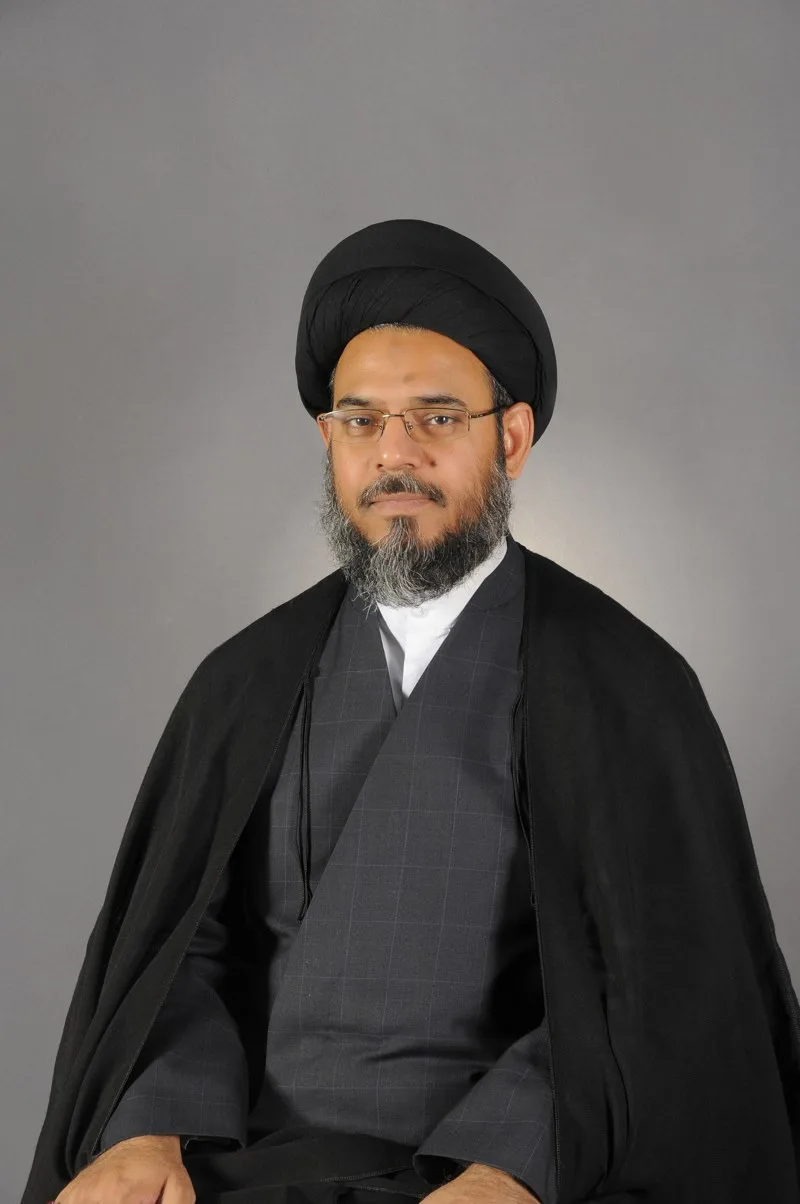
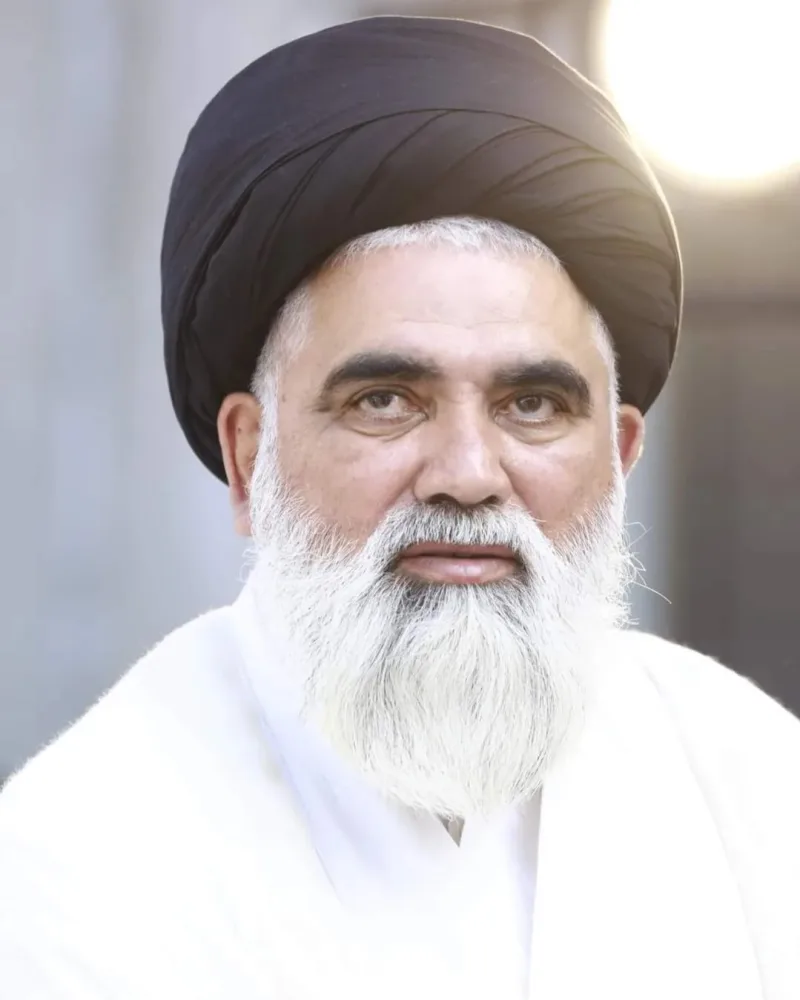
Syed Jawad Naqvi (born 1 February 1963) is a Pakistani Twelver Shia scholar, orator and educationist, best known as the founder and principal of the seminary Jamia Urwatul Wuthqa in Lahore. He was born in the village of Thipra Syedan in the Haripur District of the Hazara region, in what was then Pakistan's North-West Frontier Province. From a Syed family, he undertook religious education in Pakistan before travelling to Iran, where he studied at the seminary of Qom for around three decades.
In Qom he studied under leading figures of the Iranian hawza, most notably Ayatollah Abdollah Javadi-Amoli and Ayatollah Mohammad-Taqi Mesbah-Yazdi. This long period of study shaped his intellectual outlook, which draws heavily on Quranic exegesis, Islamic philosophy and the political thought associated with Ayatollah Ruhollah Khomeini, including the doctrine of Wilayat-e-Faqih (guardianship of the jurist).
After returning to Pakistan, Naqvi devoted himself to teaching and institution-building. In the mid-2000s he established Jamia Urwatul Wuthqa, and around 2010, with the support of local donors, a large seminary campus was developed on the outskirts of Lahore. Beyond this institution he has led or overseen several other educational bodies, including Jamia Jaffria in Gujranwala, the women's seminary Jamia Ummul Kitaab, the Deen-ul-Qayyim online seminary, and the Siraat Education School System. He also serves as president of Majma-ul-Madaris and edits the magazine Mashrab-e-Naab.
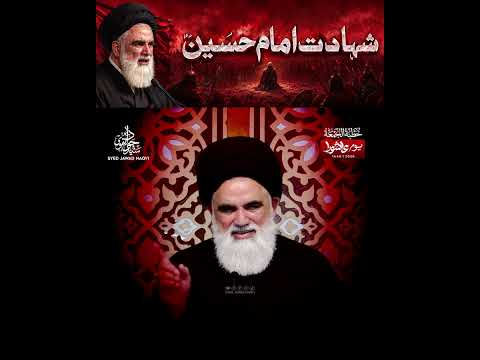
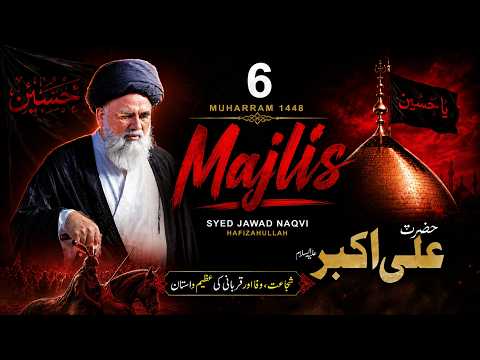
Naqvi is a prolific lecturer. He is especially known for his long-running Dars-e-Tafseer (Quranic exegesis) programme and for his Muharram majalis, in which he presents the uprising of Imam Hussain (a.s.) at Karbala as a purposeful, ongoing movement rather than solely an object of mourning. He describes his approach as a call to 'Islam-e-Naab' (pure Islam) and places strong emphasis on Islamic unity, discouraging the sectarian polemics common in some traditional preaching.
His views and teaching style have also made him a controversial figure at times. In 2013 an incident linked to his lectures at Mohammadi Masjid in Lahore led provincial authorities to bar him from speaking there, and his positions on ritual mourning practices, politics and unity have drawn criticism from some quarters while attracting a large and devoted following among others.
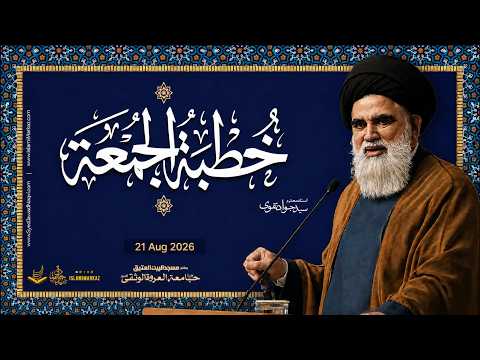
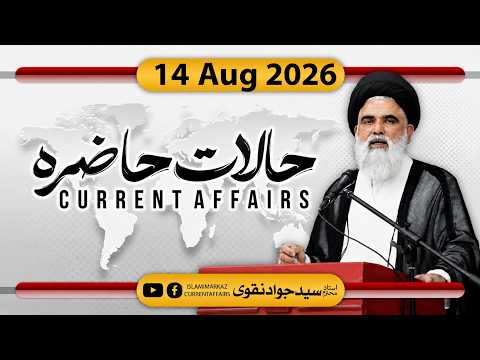
Naqvi maintains an extensive digital presence. His organisation's website, islamimarkaz.com, hosts thousands of his lectures, and his sermons and majalis are broadcast through official YouTube channels and social-media pages, giving his teaching a wide audience across Pakistan and among Urdu-speaking Shia communities abroad.
Education & Training
Traditional Islamic education in Pakistan
Advanced Shia seminary studies at the Hawza (Qom Seminary), Iran, over roughly three decades
Student of Ayatollah Abdollah Javadi-Amoli
Student of Ayatollah Mohammad-Taqi Mesbah-Yazdi
Positions & Achievements
Founder and Principal (Patron in Chief) of Jamia Urwatul Wuthqa, Lahore
Principal of Jamia Jaffria, Gujranwala
Principal of Jamia Ummul Kitaab (women's seminary), Lahore
Head of Deen-ul-Qayyim Online / Virtual Islamic Seminary
Head of Siraat Education School System
President of Majma-ul-Madaris
Editor of the monthly magazine Mashrab-e-Naab
Books & Works
Naqvi is widely known for his long-running Dars-e-Tafseer (Quranic exegesis) series, his Muharram majalis on the movement (qayam) of Imam Hussain (a.s.), and his lectures promoting what he terms 'Islam-e-Naab' (pure Islam) and Islamic unity. His talks, majalis and writings are archived and broadcast through islamimarkaz.com and his official YouTube channels.
📖
Islam and Secularism
📖
Islam-e-Naab
📖
Wilayat-e-Faqih
📖
Insan Shanasi
📖
Afkar-e-Imam Khomeini