Biography
Early Life
Born and raised in Lucknow, India, into the city's established Twelver Shia scholarly milieu. He received his foundational religious education at Jamia Nazmia, the oldest Shia seminary of India, completing its curriculum up to the Mumtaz-ul-Afazil level.
** Ayatullah (Hujjatul Islam); Principal of Jamia Nazmia, Lucknow **
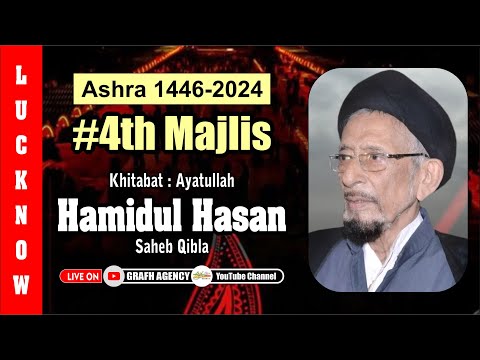
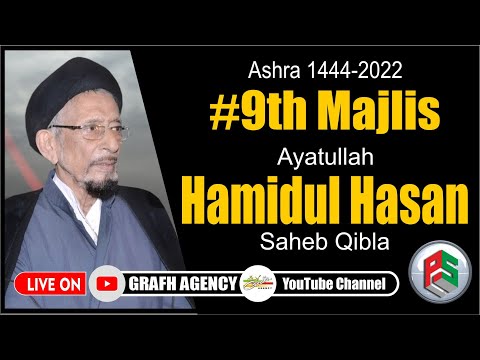
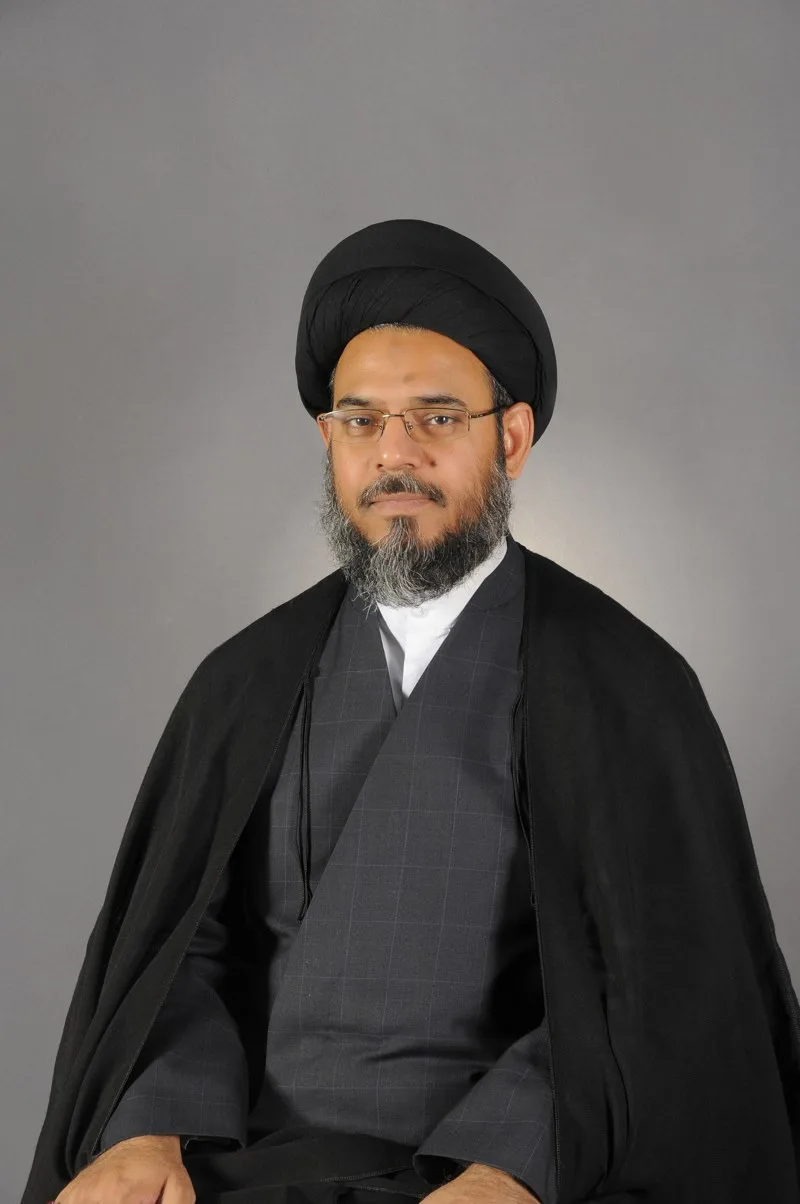
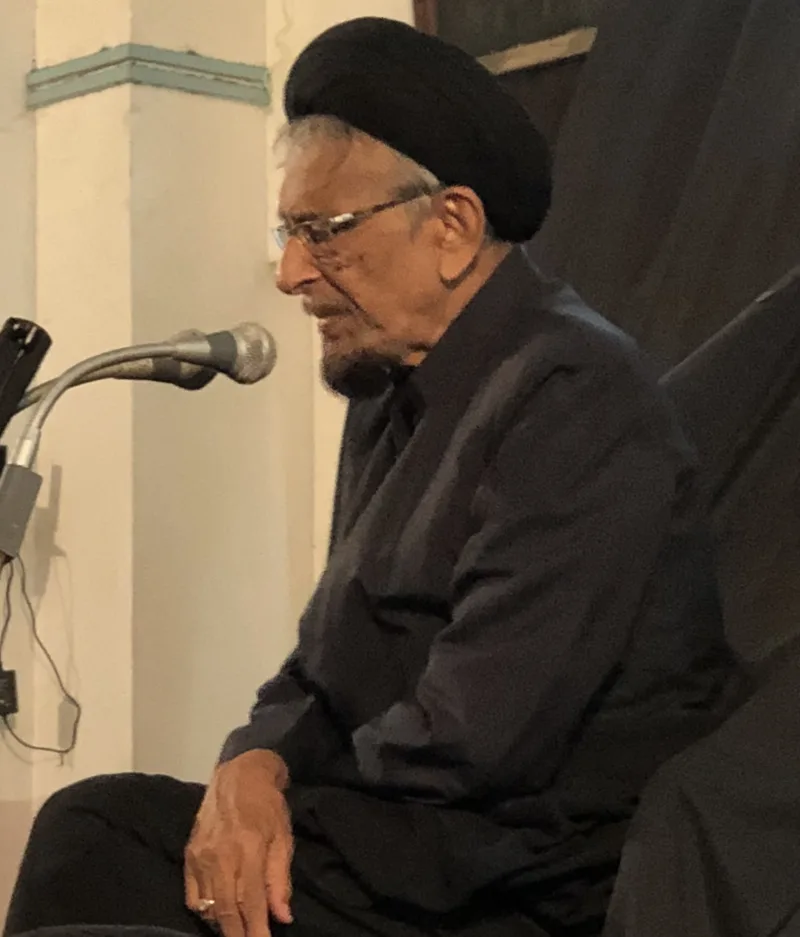
Ayatullah Syed Hamidul Hasan (also written Syed Hamid ul Hasan) is a Twelver Shia scholar, jurist and orator of Lucknow, India, widely regarded as an authority on Shia theology. For more than half a century he has served as the Principal of Jamia Nazmia, the oldest Shia religious seminary in India, a position he assumed in 1969.
Born in Lucknow, he was educated within the city's rich Shia scholarly tradition. He studied at Jamia Nazmia, completing its curriculum up to the advanced Mumtaz-ul-Afazil level, and trained further at Madrasatul Waizeen. Alongside his seminary training he pursued oriental studies at Lucknow University, the Shia Arabic College and Aligarh Muslim University. Among his early teachers was Syed Ahmad Ali.
For higher religious education he travelled to Najaf al-Ashraf in Iraq, the foremost centre of Shia learning, where he studied under the leading maraji of the age, Grand Ayatullah Muhsin al-Hakim and Grand Ayatullah Sayyid Abul Qasim al-Khoei. This grounding in the hawza of Najaf shaped his standing as a jurist and theologian on his return to India.
As principal of Jamia Nazmia, he has overseen the training of generations of Shia clergy and scholars in India. He is also associated with a number of religious and community bodies, having served as President of the Majlis-e-Ulema, on the Board of Trustees of the Shia PG College in Lucknow, and as a member of the All India Muslim Personal Law Board.
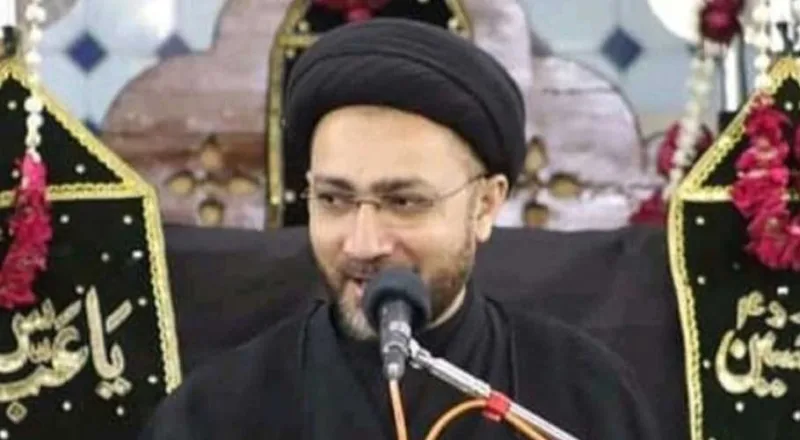
He is especially well known as a religious orator. For over five decades he has delivered the annual Muharram majalis from the pulpit of Jamia Nazmia, addressing large gatherings that have at times included non-Muslim listeners, and he has lectured on Shia belief and the tragedy of Karbala both in India and abroad.
Beyond the seminary, he has been a voice for social harmony. He is credited with a prominent mediating role in resolving the long-running Shia-Sunni dispute in Lucknow in 1998, and has consistently advocated non-violence and better understanding between the Hindu and Muslim communities of India.
Education & Training
Jamia Nazmia, Lucknow (religious studies up to Mumtaz-ul-Afazil)
Madrasatul Waizeen, Lucknow
Oriental courses at Lucknow University
Shia Arabic College, Lucknow
Aligarh Muslim University (oriental / Shia theology courses)
Higher Islamic education (hawza) at Najaf al-Ashraf, Iraq, under Muhsin al-Hakim and Sayyid Abul Qasim al-Khoei
Positions & Achievements
Principal of Jamia Nazmia, Lucknow (since 1969)
President, Majlis-e-Ulema
Board of Trustees, Shia PG College, Lucknow
Member, All India Muslim Personal Law Board
Books & Works
Best known as a religious orator (zakir) who has delivered the annual Muharram majalis from the pulpit of Jamia Nazmia for more than five decades, and as a long-serving principal of that seminary. He is remembered for his mediating role in resolving the long-standing Shia-Sunni tension in Lucknow in 1998 and for advocating non-violence and Hindu-Muslim communal harmony.