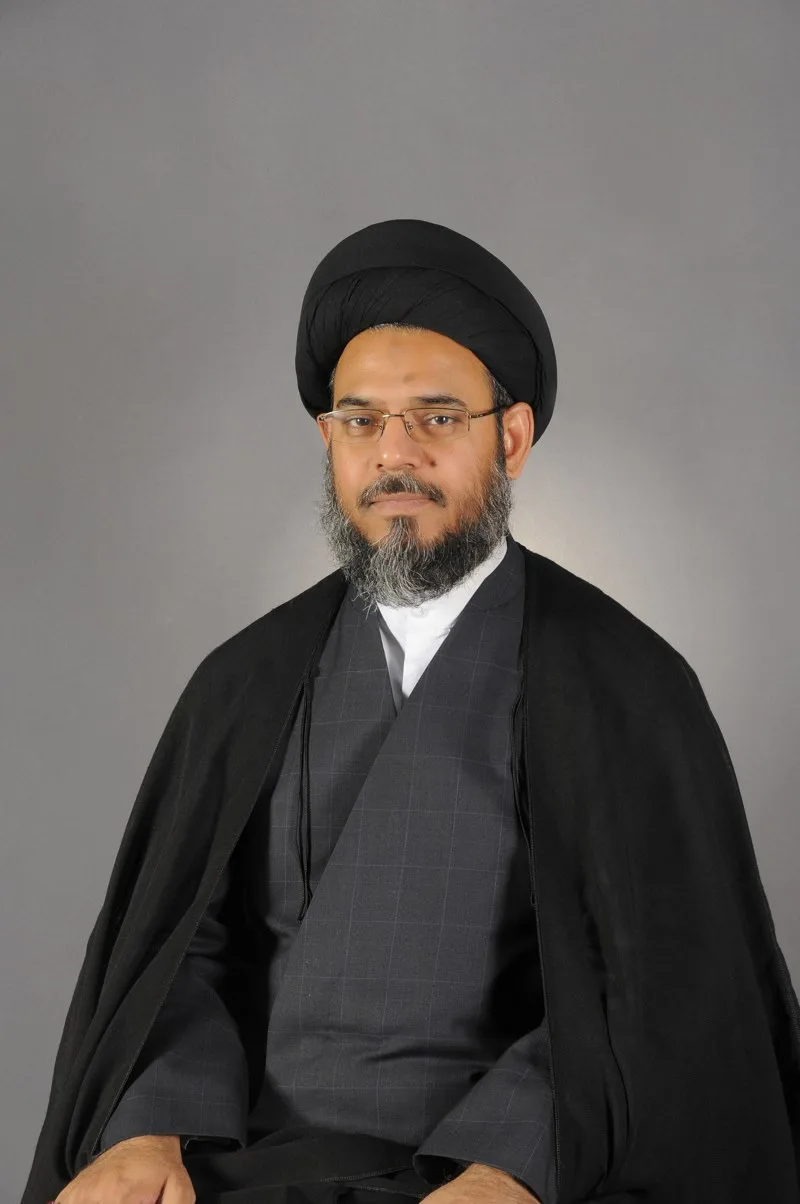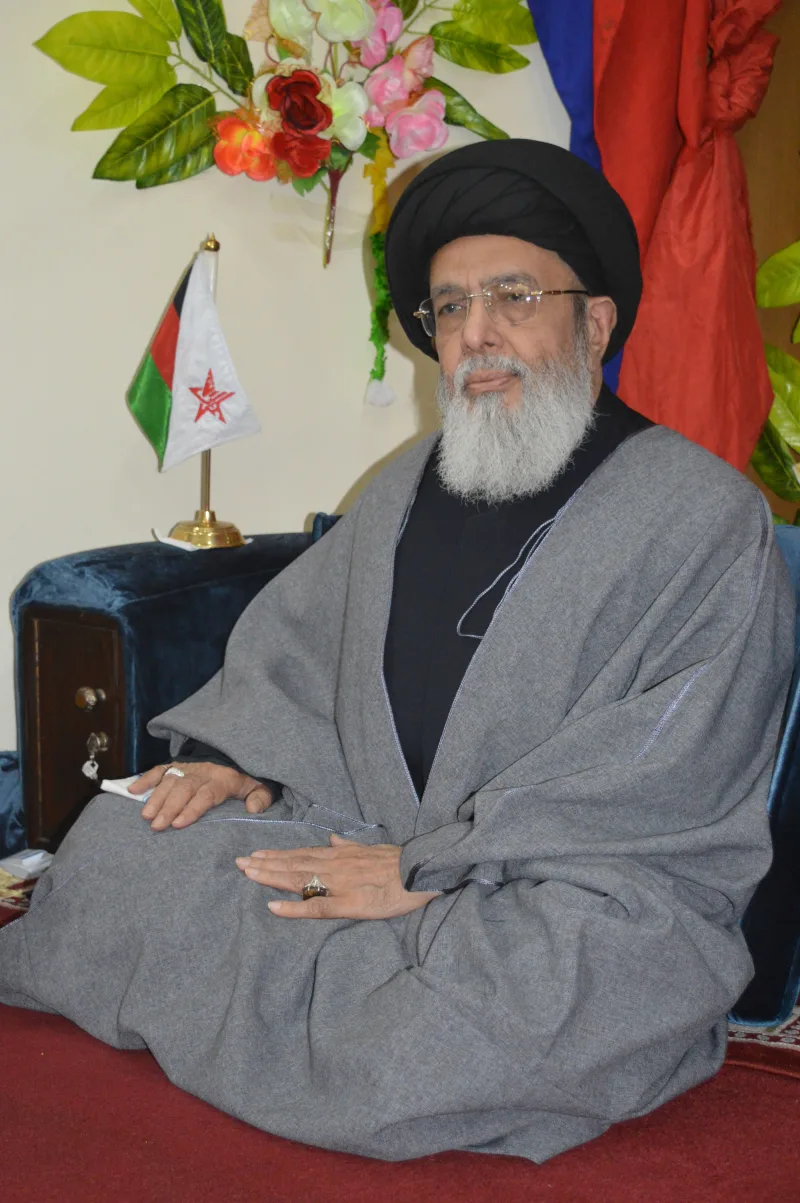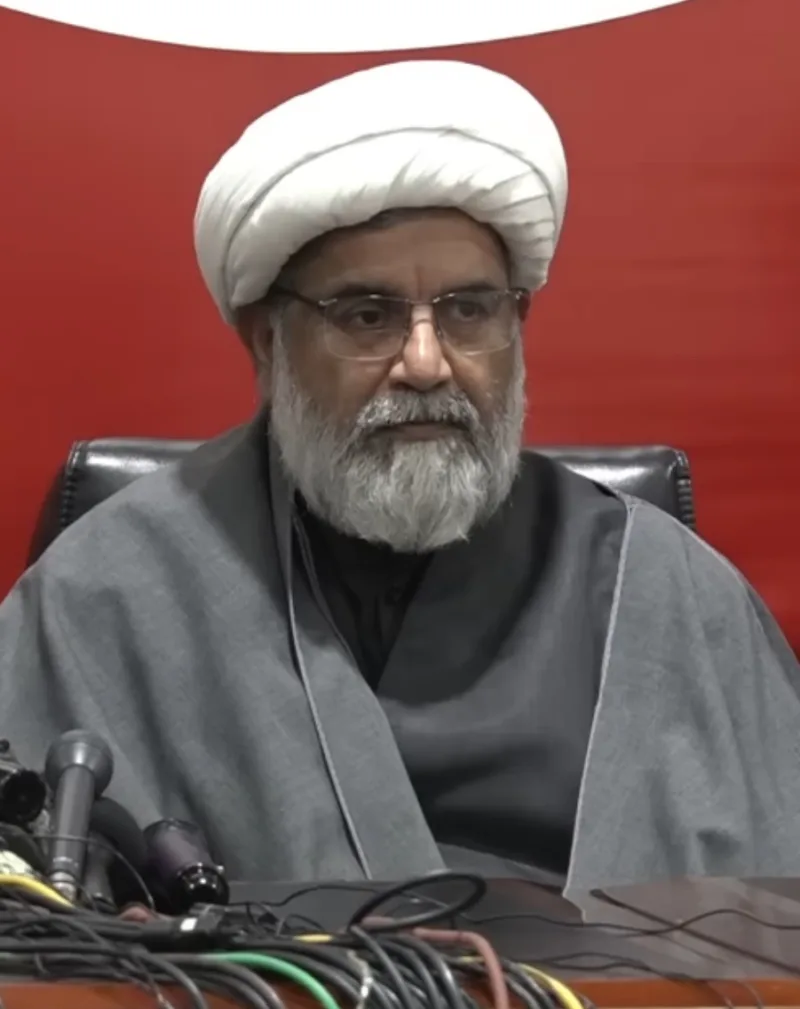
Biography
Early Life
Born in 1753 (1166 AH) in the village of Nasirabad, Raebareli district, in what is now Uttar Pradesh, India. He was the son of Sayyid Muhammad Muin. His family traced its ancestry to Nishapur in Iran, having migrated to India generations earlier following the upheavals of the Mongol invasions. He completed his early religious studies in India before travelling to the shrine cities of Iraq for advanced training.
Ghufran Ma'ab — First Mujtahid of India, founder of Usuli ijtihad in the subcontinent
Sayyid Dildar Ali Naqvi, honoured with the posthumous title Ghufran Ma'ab, was the towering Twelver Shia mujtahid of Lucknow and Awadh, widely regarded as the first Mujtahid of India. Born in 1753 in Nasirabad, Raebareli, he came from a scholarly family of Iranian ancestry that had settled in India. After early studies at home, he travelled to Iraq in 1193 AH (1776) for advanced theological training in the shrine cities.
In Iraq and Iran he studied under leading scholars of the age, including Wahid Behbahani, Sayyid Ali Tabatabai (author of Riyad al-Masa'il), and Shaykh Ja'far Kashif al-Ghita, and continued his studies in Mashhad. Having originally been trained in the Akhbari tradition, he embraced the Usuli school under the influence of his teachers and returned to India as a fully qualified mujtahid. The title 'Ghufran Ma'ab' was conferred in recognition of his scholarly standing.
Back in Lucknow, he became the supreme religious authority for the Shia community of the subcontinent and led the movement that established Usuli jurisprudence and the practice of ijtihad across India, decisively curtailing Akhbari influence. He is credited with instituting the congregational Friday prayer among Indian Shia under the patronage of the Awadh state, and he built imambaras in Lucknow and Nasirabad.
He authored important works of theology and jurisprudence, most notably Imad al-Islam and Muntaha al-Afkar. He died on 19 Rajab 1235 AH (2 May 1820) and was buried in Lucknow. His descendants formed the celebrated 'Khandan-e-Ijtihad', a dynasty of scholars, mujtahids and ayatollahs who shaped Shia religious life in India for generations.
Education & Training
Early religious studies in India (Nasirabad and Lucknow region)
Advanced theological studies in Najaf and Karbala, Iraq (from 1193 AH / 1776)
Further studies in Mashhad, Iran
Positions & Achievements
First Mujtahid of India
Supreme religious authority (Marja) for the Shia of the Indian subcontinent
Leader of the Friday congregational prayer in Awadh
Books & Works
Imad al-Islam (a major Arabic theological work refuting the anti-Shia arguments of Fakhr al-Din al-Razi) and Muntaha al-Afkar, a detailed work of Usuli jurisprudence.
📖
Imad al-Islam (refutation of Fakhr al-Din al-Razi)
📖
Muntaha al-Afkar (Usuli jurisprudence)