Early Life
Born on 25 November 1946 in the village of Pewar (Peiwar) in the Kurram Agency near Parachinar, in what is now Khyber Pakhtunkhwa, Pakistan. He belonged to a Sayyid (Hussaini) family of the Turi Pashtun community. He received his primary schooling in his hometown and completed matriculation in Parachinar, then began religious studies at the Madrasa Jafaria in Parachinar before travelling abroad for higher seminary education.
** Allama; first leader (Qaid) of Tehrik-e-Jafaria Pakistan **
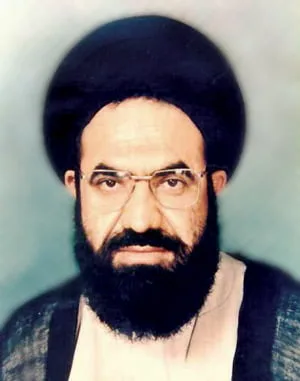
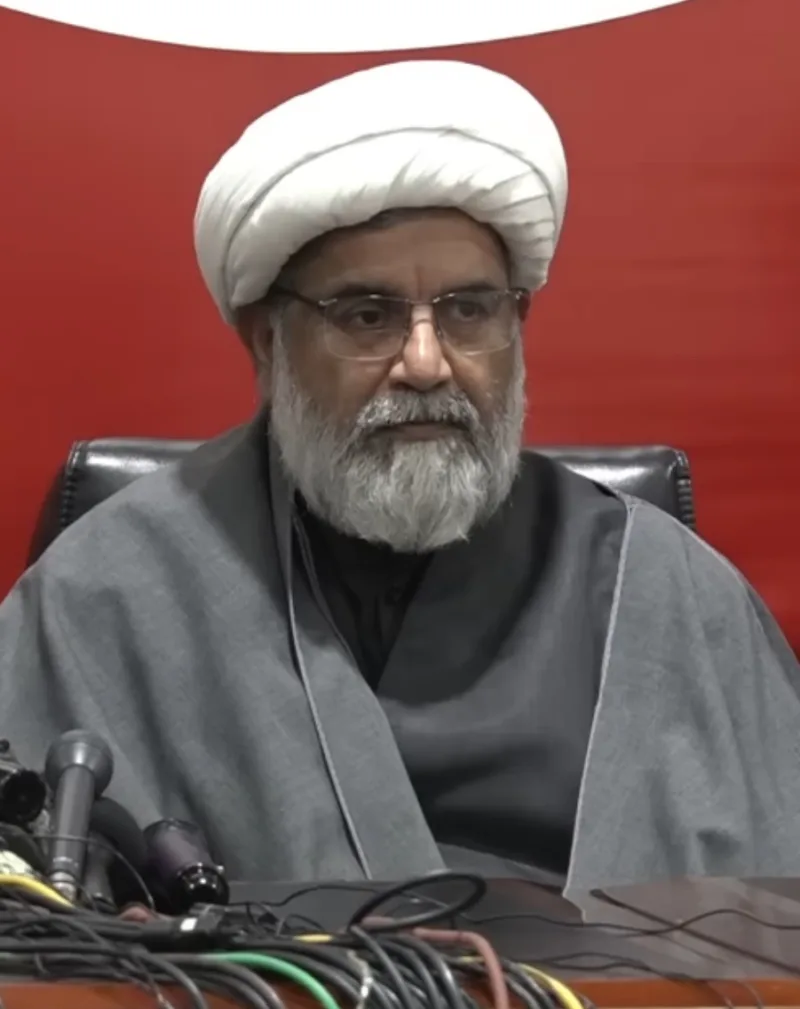
Allama Sayyid Arif Hussain al-Hussaini (1946-1988) was a Pakistani Twelver Shia scholar and community leader who served as the first head of the Tehrik-e-Nifaz-e-Fiqh-e-Jafaria (TNFJ), the principal organization representing Shia Muslims in Pakistan during the 1980s. He is remembered by his followers by the honorifics 'Shaheed Quaid' (martyred leader) and 'Safeer-e-Inqilab.'
He was born on 25 November 1946 in the village of Pewar (Peiwar), in the Kurram region near Parachinar, in a Sayyid family of the local Turi Pashtun community. After primary schooling in his hometown and matriculation in Parachinar, he began religious studies at the Madrasa Jafaria in Parachinar. Seeking advanced training, he travelled to the seminary city of Najaf in Iraq around 1967, where his teachers included Imam Ruhollah Khomeini, then living in exile there. He later continued his studies at the seminary (hawza) in Qom, Iran, from around 1974.
Returning to Pakistan, al-Hussaini became active in religious education and community organization, particularly in the Kurram and Parachinar area, establishing and supporting seminaries, schools and welfare institutions. He was known as a fluent orator in several languages, including Urdu, Persian, Arabic and Pashto, and is credited with popularizing the Pashto-language majlis (mourning assembly).
Following the death of Mufti Jafar Hussain in 1983, al-Hussaini was elected leader of the TNFJ at the age of about 37. As its first head after the founder, he led the movement during a period of intense political and sectarian activity in Pakistan under the government of General Zia-ul-Haq. He advocated for the religious and civil rights of the Shia community, mobilized large public gatherings, and at the same time publicly called for unity between Shia and Sunni Muslims, including through a Quran-o-Sunnat conference.
On the morning of 5 August 1988, al-Hussaini was shot and killed by gunmen in Peshawar, near his seminary, as he was going to lead the dawn (Fajr) prayer. He was 41 years old. His death drew large mourning gatherings and is commemorated annually by his followers. Ten people were later charged in connection with the killing; the trial was conducted inside Peshawar's central prison, and all the accused were acquitted in 1993, so no one was ultimately convicted. Various partisan and political explanations for the assassination have circulated over the years, but the identity and motive of those responsible were never established by the courts.
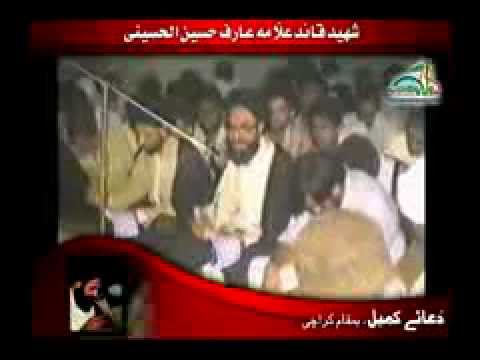
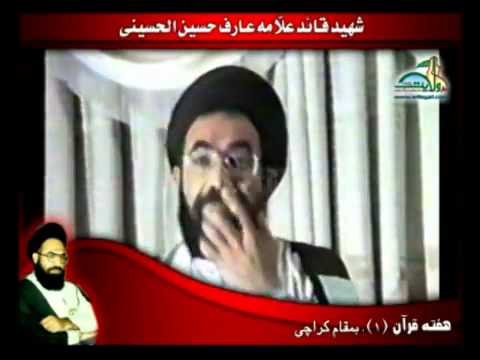
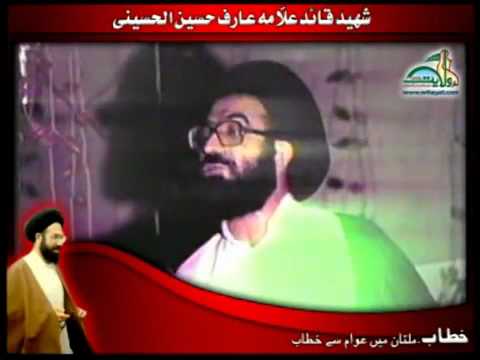
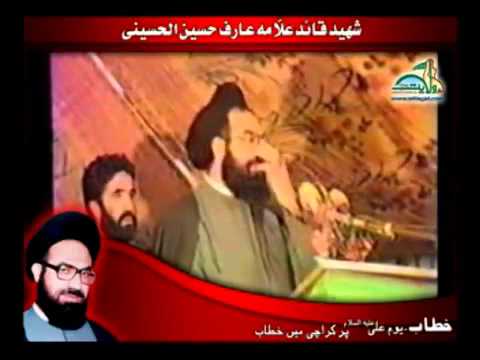
He was buried at Pewar, near Parachinar, where a shrine marks his grave. He authored works including 'Aabad-e-Karwan' and 'Piyam-e-Noor,' though he is remembered chiefly for his organizational and public leadership. His life has been documented in tributes and a commemorative film, 'Farzand-e-Imam,' which preserves archival footage of his speeches.