Early Life
Born in 1934 in Hyderabad Deccan (Hyderabad State, British India), the second son of the renowned scholar, poet and orator Allama Rasheed Turabi. He received his early religious grounding from his parents and completed his intermediate studies in Karachi after the family settled in Pakistan.
Allama, Shia scholar and orator (khateeb)
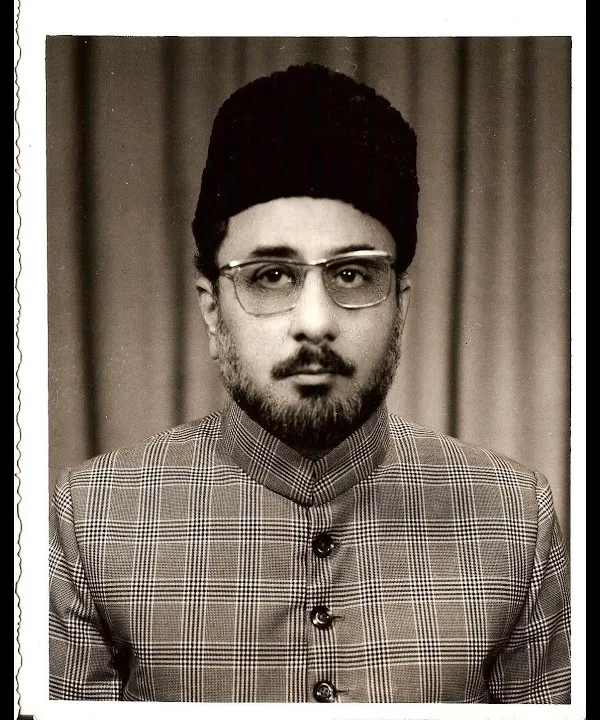
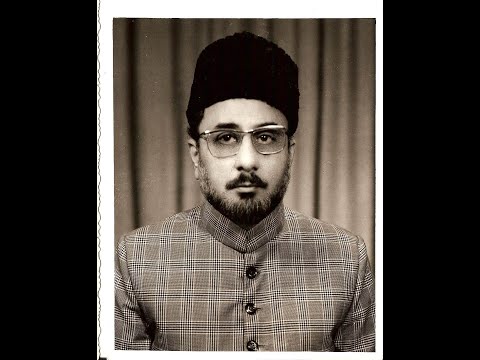
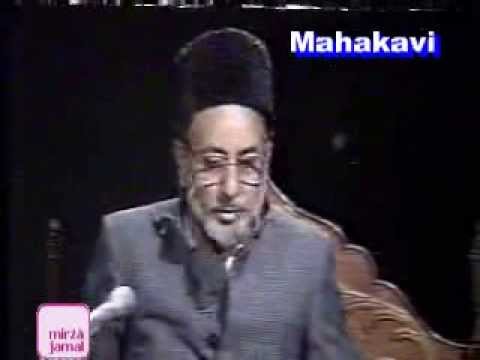
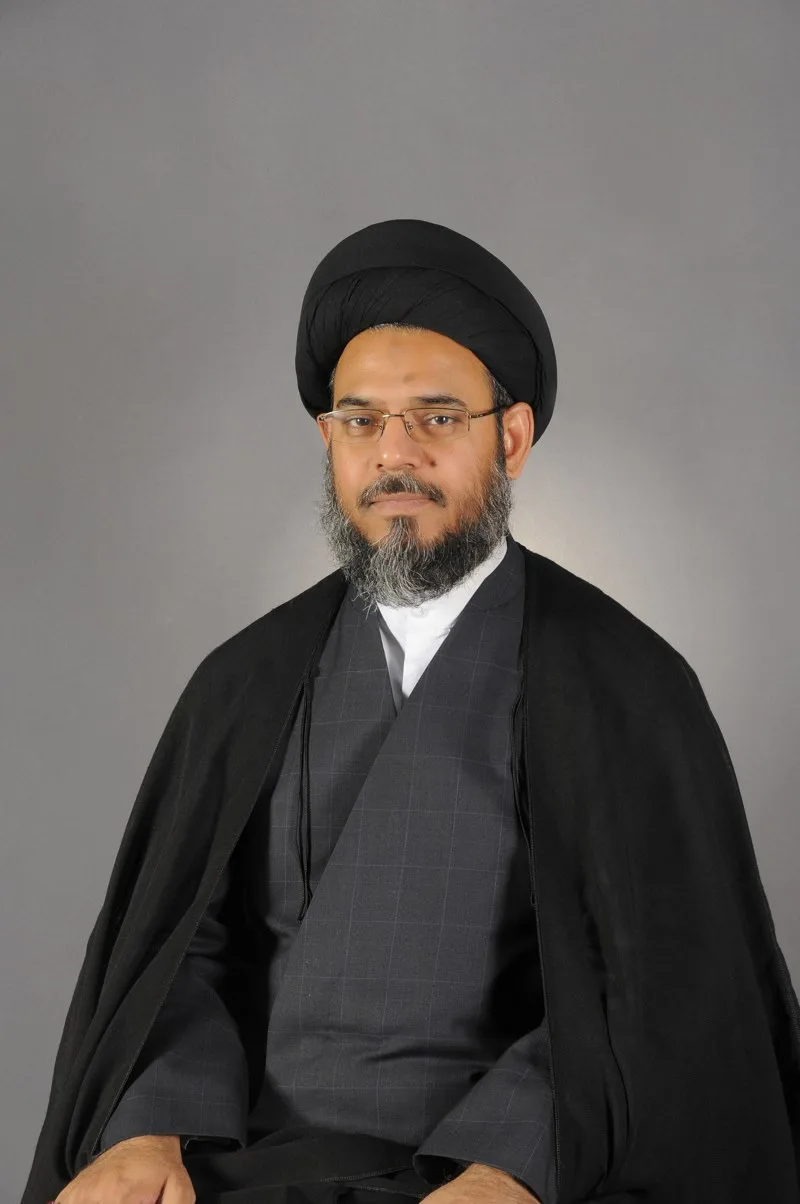
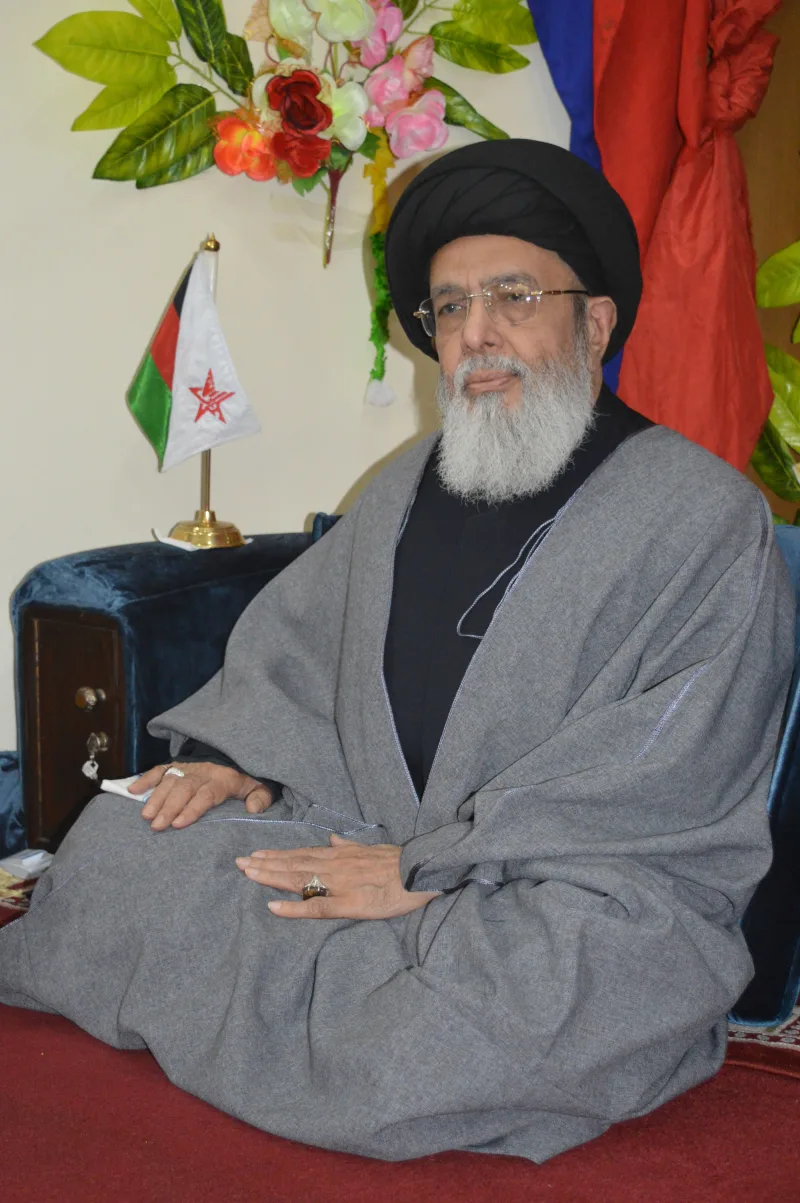
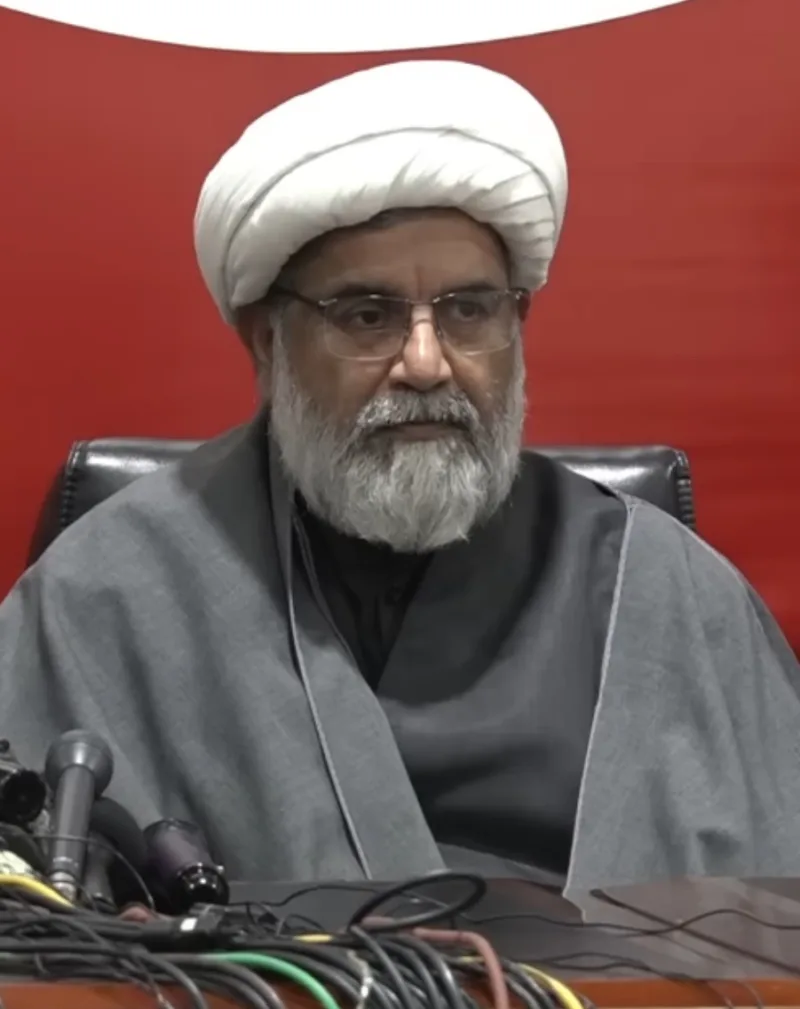
Allama Aqeel Turabi (1934-2009) was a Pakistani Shia scholar and orator, remembered as one of the notable khateebs of Karachi in the later twentieth century. He was born in 1934 in Hyderabad Deccan, the second son of Allama Rasheed Turabi, the celebrated scholar, poet and orator whose Muharram majalis had a wide following across the subcontinent. Growing up in a household steeped in religious learning and Urdu literature, Aqeel Turabi received his early instruction from his parents before continuing his formal education in Karachi after the family migrated to Pakistan.
Seeking advanced religious training, he travelled to the Hawza Ilmiyya of Qom in Iran, where he studied for roughly a decade under leading authorities of the seminary, including figures associated with the circles of Ayatollah Borujerdi and Ayatollah Mohsin al-Hakim. He later pursued further studies in the seminaries of Najaf in Iraq. Alongside his traditional seminary training, he earned a master's degree in the comparative study of religions from London, an academic background that broadened the scope of his later lectures.
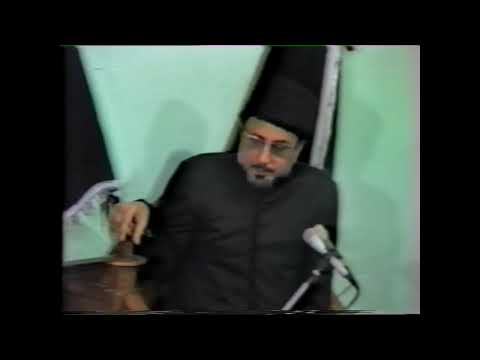
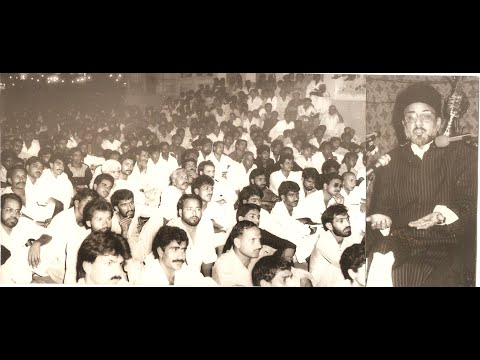
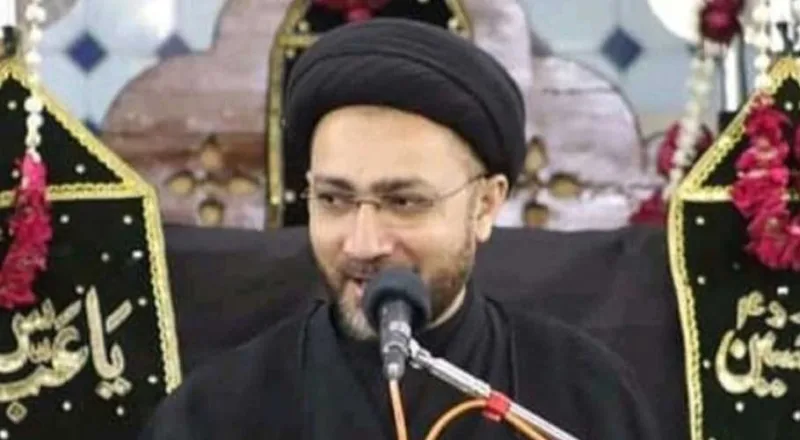
Aqeel Turabi returned to Karachi around 1971 and began addressing Muharram gatherings in the city. He became a regular speaker at major venues such as Nishtar Park and Khaliqdina Hall, and for more than thirty years delivered the Sham-e-Ghareeban majlis at the Hussainia Sajjadia Imambargah, an address that was relayed on Radio Pakistan and became closely identified with him. His measured, scholarly style of oratory, informed by both hawza learning and his academic study of religion, earned him a devoted audience.
Beyond the pulpit, he took part in religious and public life at the national level. He served as a member of the Council of Islamic Ideology of Pakistan from 2000 to 2006, and was a founding member and convener of the Imamia Council of Pakistan established in 1982. He also sat on provincial and federal Zakat councils and was associated with the Tehrik-e-Istiqlal political party during the 1980s.
His reputation as a speaker extended well beyond Pakistan. He was invited to address majalis for Shia communities abroad, delivering lectures in the United States, the United Kingdom, Australia, South Africa and East Africa. Many of these gatherings were recorded, and a substantial body of his majalis survives today in community audio and video archives.
Aqeel Turabi died on 23 April 2009 in Karachi at the age of 75, after an illness. His funeral prayers were held at the Martin Road Imambargah and he was buried in the Wadi-e-Hussain graveyard. He was survived by two sons and three daughters, and belonged to a family that produced several well-known scholars, poets and reciters, continuing the religious and literary legacy of his father Allama Rasheed Turabi.