Biography
Early Life
Born on 27 August 1939 in Patna, Bihar, British India, into a scholarly family. His father, Maulana Muhammad Mustafa Jauhar, was a prominent scholar and Urdu poet known for elegies and poetry in praise of the Household of the Prophet Muhammad. In 1949 he migrated with his family to Pakistan, settling in Karachi.
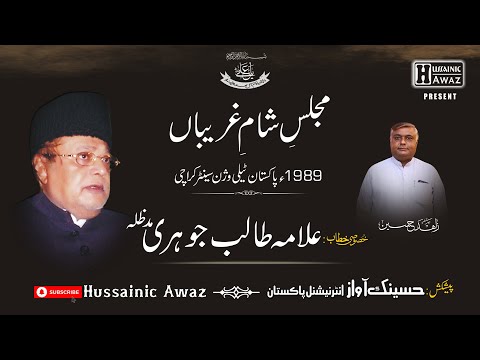
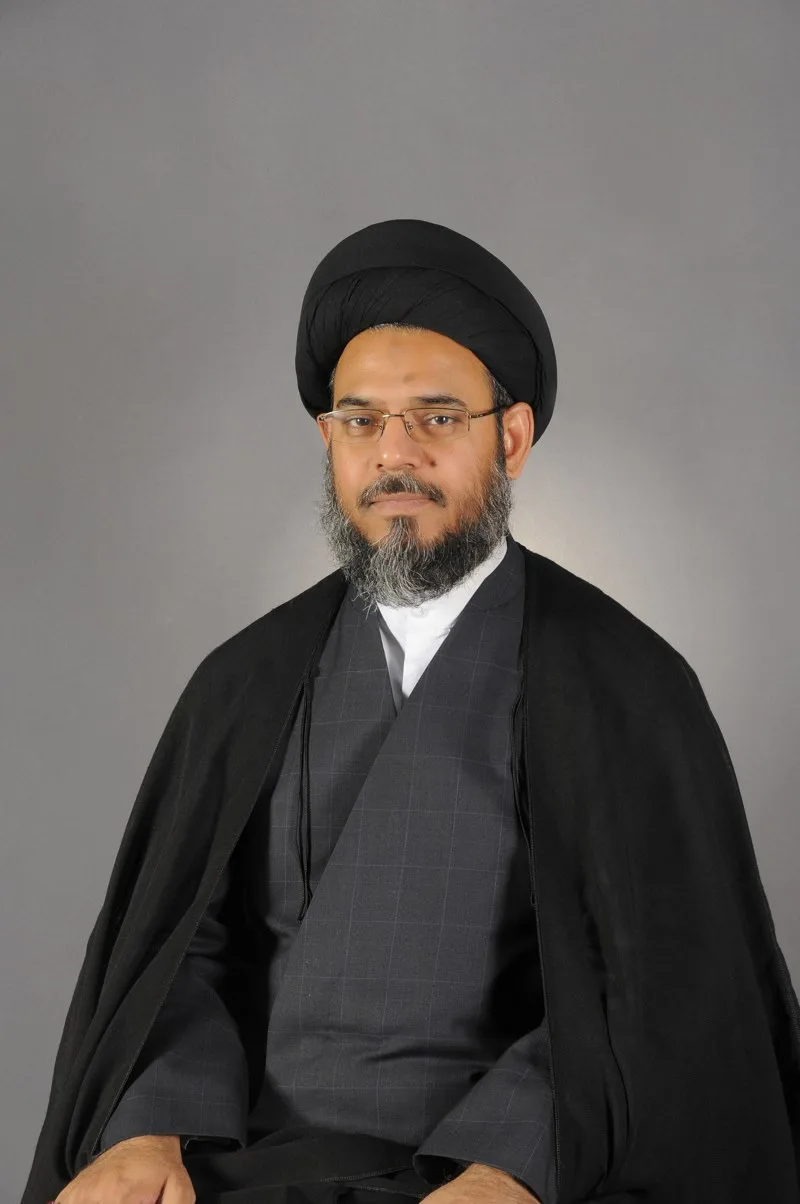
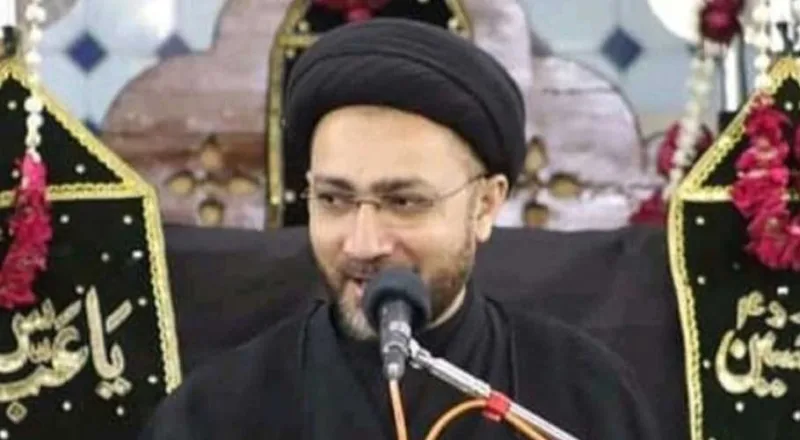
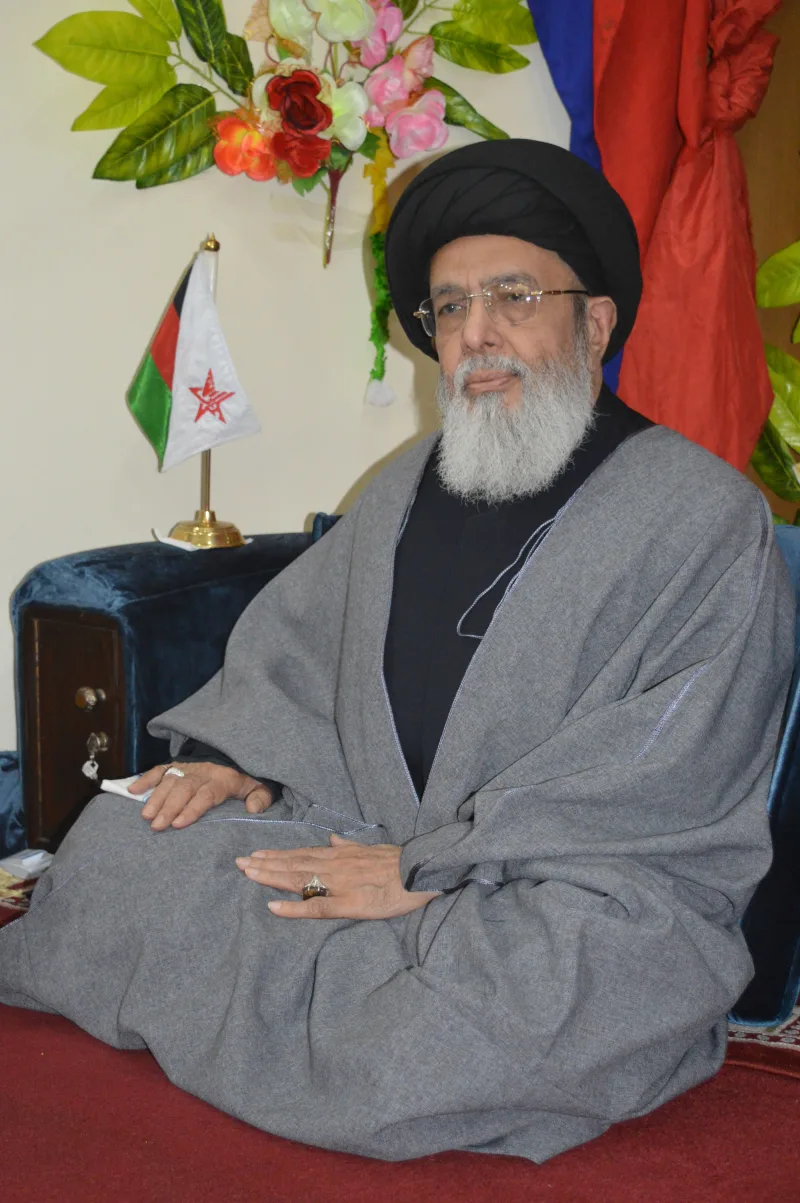
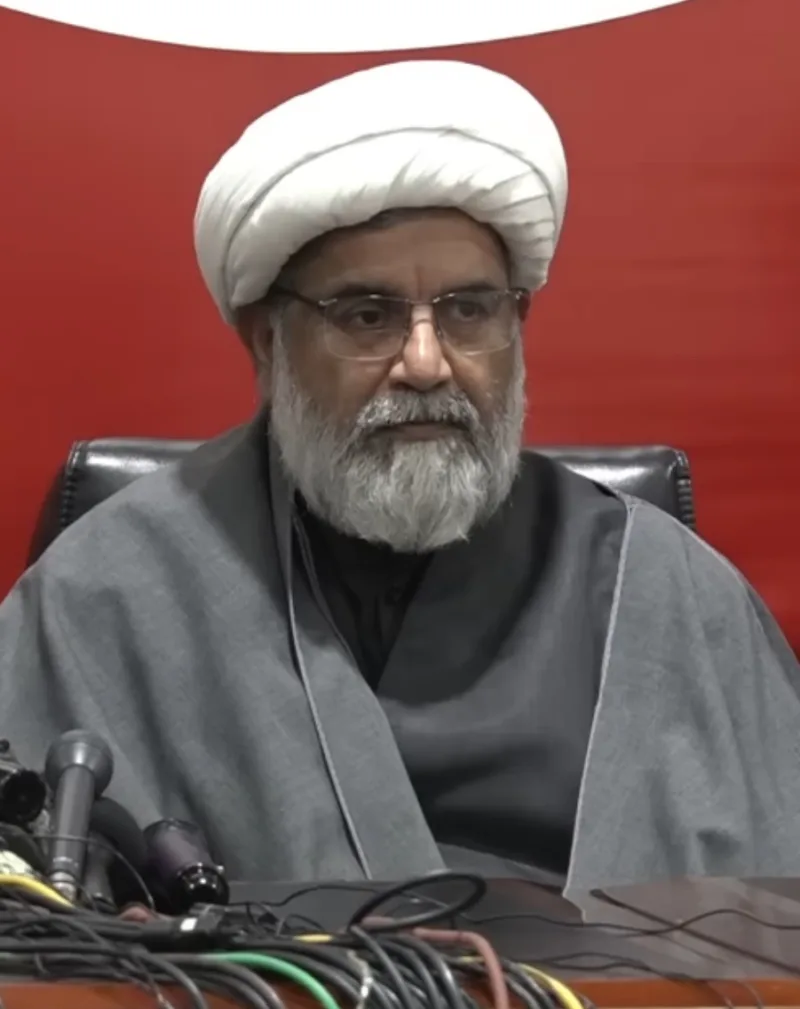
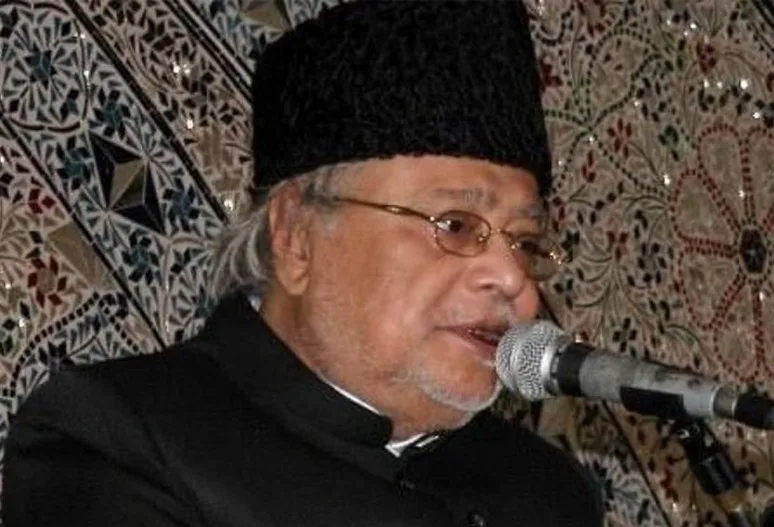
Allama Talib Jauhari (Urdu: علامہ طالب جوہری; 27 August 1939 – 21 June 2020) was a renowned Pakistani Shia Islamic scholar, orator (zakir), poet, historian and philosopher. For decades he was among the most prominent religious speakers in Pakistan, best known to the general public through the Pakistan Television Network (PTV) program Majlis-e-Shaam-e-Ghareeban, which carried his sermons into households across the country each Muharram.
He was born in Patna, Bihar, in British India, into a scholarly and literary family. His father, Maulana Muhammad Mustafa Jauhar, was himself a noted scholar and Urdu poet celebrated for verse in praise of the Household of the Prophet Muhammad. In 1949, following the partition of the subcontinent, the family migrated to Pakistan and settled in Karachi, which remained Talib Jauhari's home for the rest of his life.
In the early 1950s he travelled to the holy city of Najaf in Iraq to pursue advanced religious studies at its historic seminary (hawza). There he studied under leading authorities of the age, including Grand Ayatollah Sayyid Abu al-Qasim al-Khoei and Ayatollah Muhammad Baqir al-Sadr, and was a contemporary of Grand Ayatollah Ali al-Sistani. This grounding gave him deep expertise in jurisprudence, theology (ilm al-kalam), philosophy, logic and Quranic exegesis.
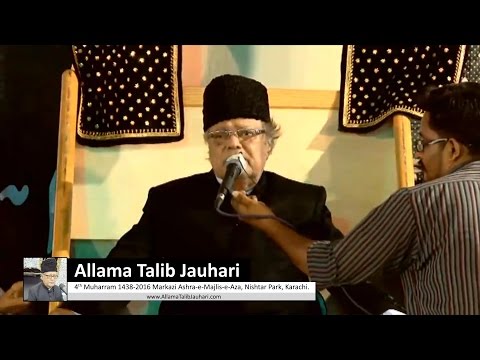
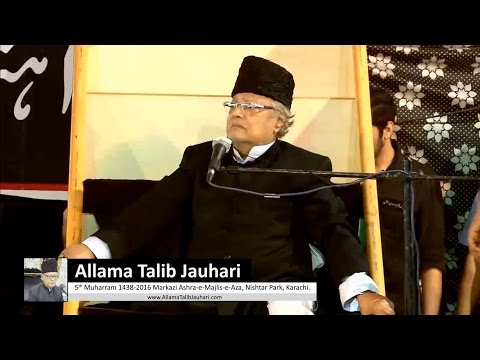
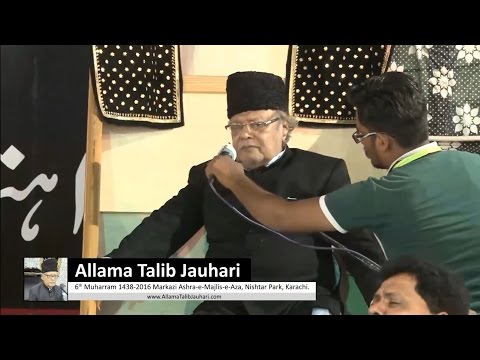
Returning to Pakistan in 1965, he served as principal of the Jamia Imamia seminary in Karachi and taught Islamic Studies at Government College Nazimabad for several years. He became widely admired for his eloquent, measured and richly historical speaking style, drawing large audiences at the central Muharram gatherings held at Nishtar Park, Karachi, and at majalis across the country.
Talib Jauhari was also a prolific author. His works span history, exegesis and philosophy, and include Ahsan al-Hadees (a Quranic tafseer), Hadees-e-Karbala (regarded as one of the few comprehensive Urdu maqtal accounts of the martyrdom of Imam Husayn), Alamat-e-Zahoor-e-Mahdi, and Aqliyat-e-Ma'asir (2005). As a poet he published collections such as Harf-e-Namoo, Pas-e-Afaq and Shakh-e-Sada. He was known as an advocate of Shia–Sunni unity in Pakistan. In recognition of his services he received the Sitara-i-Imtiaz from the Government of Pakistan.
He died on 21 June 2020 in Karachi, at the age of 80, of complications related to COVID-19. His funeral prayers were held at the Ancholi Imambargah and he was buried at the Wadi-e-Hussain graveyard in Karachi. His passing was mourned across Pakistan, with condolences from national leaders including the President and Prime Minister, and he is remembered as one of the foremost Shia scholars and orators of his generation.
Education & Training
Early religious education under his father Maulana Muhammad Mustafa Jauhar
Higher religious studies at the hawza (seminary) of Najaf, Iraq (from the early 1950s)
Studied under Grand Ayatollah Sayyid Abu al-Qasim al-Khoei
Student of Ayatollah Muhammad Baqir al-Sadr
Contemporary/classmate of Grand Ayatollah Ali al-Sistani
Positions & Achievements
Principal of Jamia Imamia seminary, Karachi (from 1965)
Teacher of Islamic Studies at Government College Nazimabad, Karachi (approx. five years)
Renowned religious orator (zakir) on Pakistan Television Network's Majlis-e-Shaam-e-Ghareeban program
🏆
Sitara-i-Imtiaz (Star of Excellence), Government of Pakistan
Books & Works
Talib Jauhari was one of the most celebrated Shia orators of Pakistan, reaching nationwide audiences through PTV's Majlis-e-Shaam-e-Ghareeban. His book Hadees-e-Karbala is regarded as one of the few comprehensive maqtal (accounts of the martyrdom of Imam Husayn) written in Urdu and a well-referenced source on the traditions of Karbala. He was also known for his Quranic exegesis Ahsan al-Hadees and for his Urdu poetry.
📖
Ahsan al-Hadees (Quranic exegesis / tafseer)
📖
Hadees-e-Karbala (maqtal on Imam Husayn and the events of Karbala)
📖
Alamat-e-Zahoor-e-Mahdi (on the reappearance of Imam Mahdi)
📖
Aqliyat-e-Ma'asir (2005)
📖
Harf-e-Namoo (poetry collection)
📖
Pas-e-Afaq (poetry collection)
📖
Shakh-e-Sada (poetry collection)